Jaw discomfort can be confusing. It can start as a mild annoyance, then slowly grow into something that affects how you speak, chew, or even sleep. When everyday activities begin to feel strained, people naturally wonder if corrective measures are needed.
Jaw surgery in Towson isn’t something anyone pursues lightly. At the Krupp Center, we understand that patients often arrive with questions, concerns, and a desire for clarity. Whether you’ve struggled with recurring pain or difficulty chewing, you should understand the signs of when surgery may be necessary.
If you are experiencing any of the following signs, you may want to consider jaw surgery. In this blog, our team offers expert insight so you can make confident, informed choices about your oral health and well-being.
Persistent Jaw Pain That Doesn’t Improve
Occasional jaw soreness can happen for many reasons, including stress or teeth grinding. However, pain that lingers, worsens, or returns frequently may signal an underlying issue, and corrective jaw surgery may be needed.
Conditions like temporomandibular joint (TMJ) disorders, misaligned jaws, or excessive stress on the jaw muscles can lead to persistent pain. While medications may provide relief in mild cases, persistent pain that interferes with daily life deserves closer attention.
In some situations, corrective oral surgery can address the structural source of the issue, rather than just masking symptoms.
Difficulty Chewing, Biting, or Speaking
Your jaw plays a central role in everyday functions. When the upper and lower jaws do not align properly, chewing can feel uncomfortable. Some patients also notice increased jaw fatigue or soreness after meals.
Similarly, jaw alignment can impact our speech. Difficulty articulating certain sounds or speaking clearly can be related to how the jaw and teeth come together. Corrective jaw surgery helps improve alignment, allowing for more comfortable movement and function.
Noticeable Jaw Misalignment
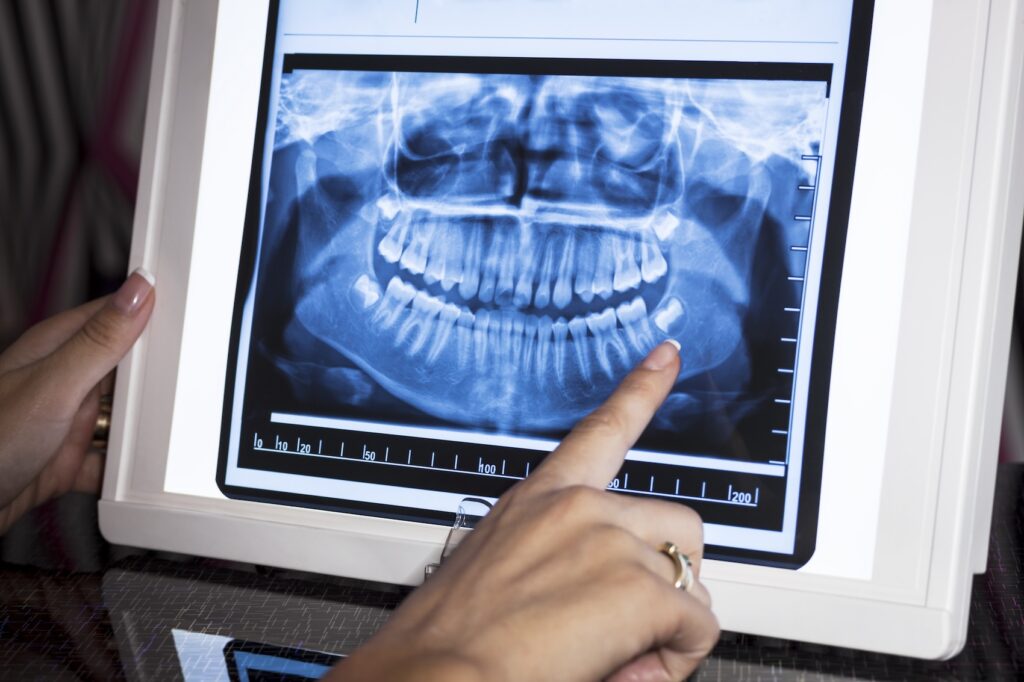
Jaw misalignment can manifest in several ways, including overbite, underbite, or crossbite. These conditions can affect both the appearance and function of our jaws and even cause facial asymmetry.
Some orthodontic treatments can address mild alignment concerns. However, when braces or aligners are not enough to correct the underlying jaw position, an orthodontist may recommend jaw surgery as part of a comprehensive treatment.
Chronic Breathing or Sleep Concerns
Structural issues with the jaw can also contribute to breathing difficulties, particularly when sleeping. Conditions like obstructive sleep apnea are sometimes associated with jaw positioning.
Symptoms like loud snoring, disrupted sleep, or persistent daytime fatigue (even when you get enough sleep) are often signs that you may need further evaluation. Jaw surgery can help create additional airway space, supporting improved breathing and more restful sleep.
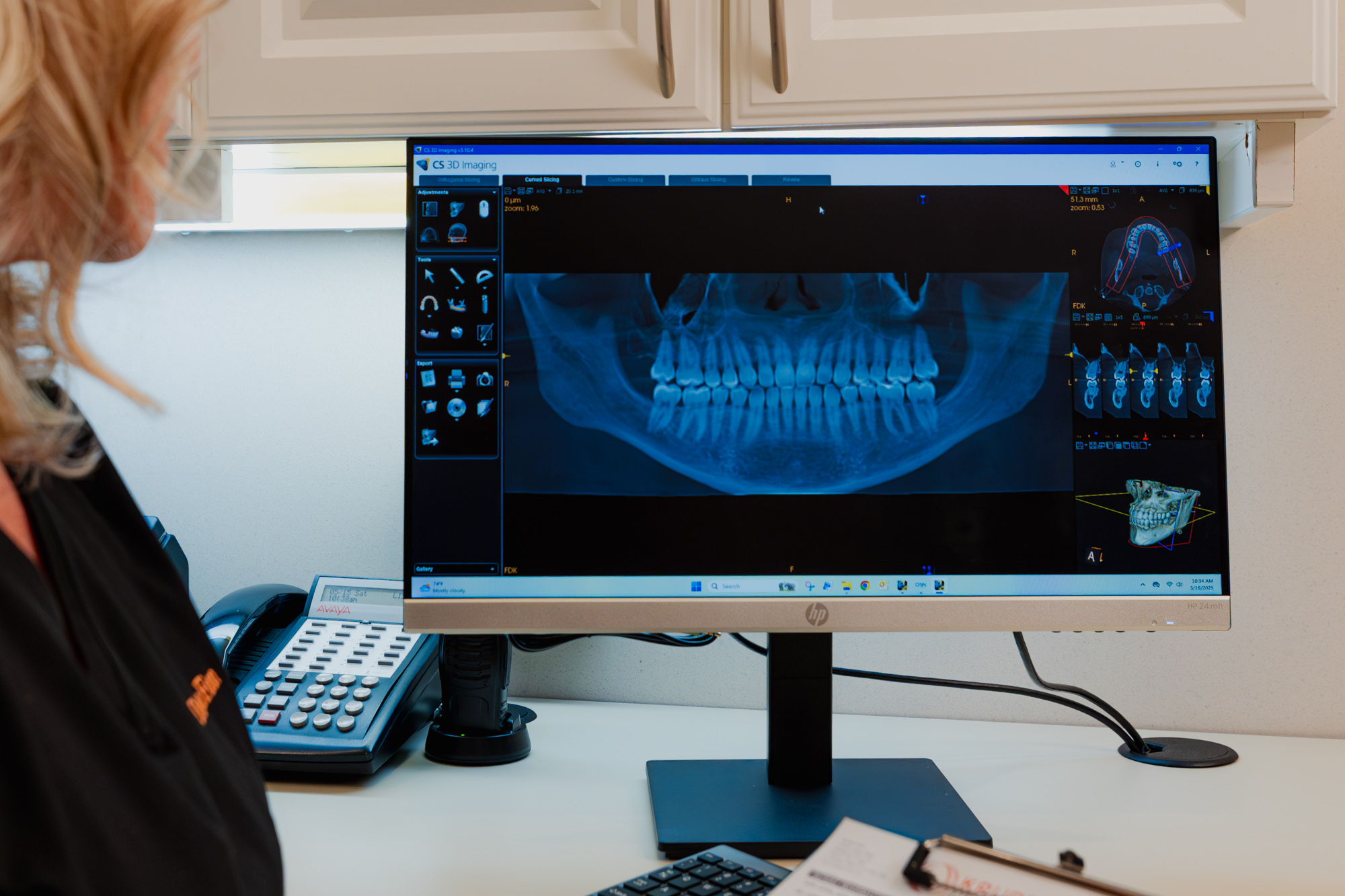
Talk to Our Jaw Surgery Specialist
Jaw surgery can be life-changing. Not because it’s dramatic, but because it opens the door for comfort, function, and confidence that may have felt out of reach. If you’ve noticed persistent pain, difficulty chewing, or changes in your bite that affect your daily life, you deserve relief.
At the Krupp Center, we’re here to listen, answer your questions, and help you determine whether jaw surgery in Towson is the right path for you. Genuine care begins with understanding, and you never have to navigate this journey alone.
If you’re ready to take the next step or simply want to talk through your symptoms, schedule a consultation to begin.