
It can sometimes start as a slight ache, a tooth that feels a little different when you chew, or a dull pain that will not quite go away. You schedule a visit with your dentist, hoping it is nothing serious, only to hear that the best solution is an extraction.
For a lot of us, hearing the word “extraction” can bring a rush of worry alongside it. At the Krupp Center, a trusted dentist near Pikesville, our team has guided countless patients through this exact moment. It is completely normal to feel a little nervous, but you will have our support every step of the way.
In this guide, we will walk you through what to expect before, during, and after a dental extraction, giving you the clarity and confidence to face the process with a lot more confidence and a lot less worry.
What are dental extractions?
Tooth extraction is a common dental procedure that a majority of us will experience firsthand. By the age of 25, 80% of us will have some sort of extraction—usually a wisdom tooth removal.
A tooth extraction is a dental procedure where a dentist or surgeon removes a tooth from its socket. For some extractions, it is possible to avoid incisions in the gums, but others require a more complex procedure.
When Tooth Extractions Become Necessary
A dentist near Pikesville might recommend an extraction for a variety of reasons, which include:
Impacted Wisdom Teeth
One of the most common forms of dental extraction is wisdom tooth removal. The wisdom teeth are prone to becoming impacted, which means that they do not fully emerge from the gums properly.
Impacted wisdom teeth can cause swelling and pain in the mouth and can even lead to infection.
Severe Tooth Decay
Oral bacteria that cause dental plaque also produce acids that erode tooth enamel, leading to decay. Once a tooth becomes infected or severely decayed, an extraction may be necessary to protect the surrounding teeth and prevent the spread of infection.
Gum Disease
Advanced gum disease can cause your teeth, alveolar bone, and gum tissue to break down. If the structure of a tooth or the supporting gums has become too damaged, other procedures like fillings or crowns may not properly repair the tooth.
In cases like these, a dentist near Pikesville might recommend an extraction.
Fractured Teeth
A tooth fracture happens when trauma causes a crack to form in a tooth. This crack can range from a small chip to a significant break. These sorts of fractures can cause internal damage to the tooth and may also reduce its stability.
When a fracture is especially severe, a tooth extraction might be necessary.
Orthodontic Treatments
Sometimes, dentists recommend a tooth extraction to create the space necessary for teeth to align properly.
Different Types of Tooth Extractions
Depending on the issues of the tooth needing removal, dentists might recommend two primary types of tooth extractions. There are simple extractions and surgical extractions.
Simple Extractions
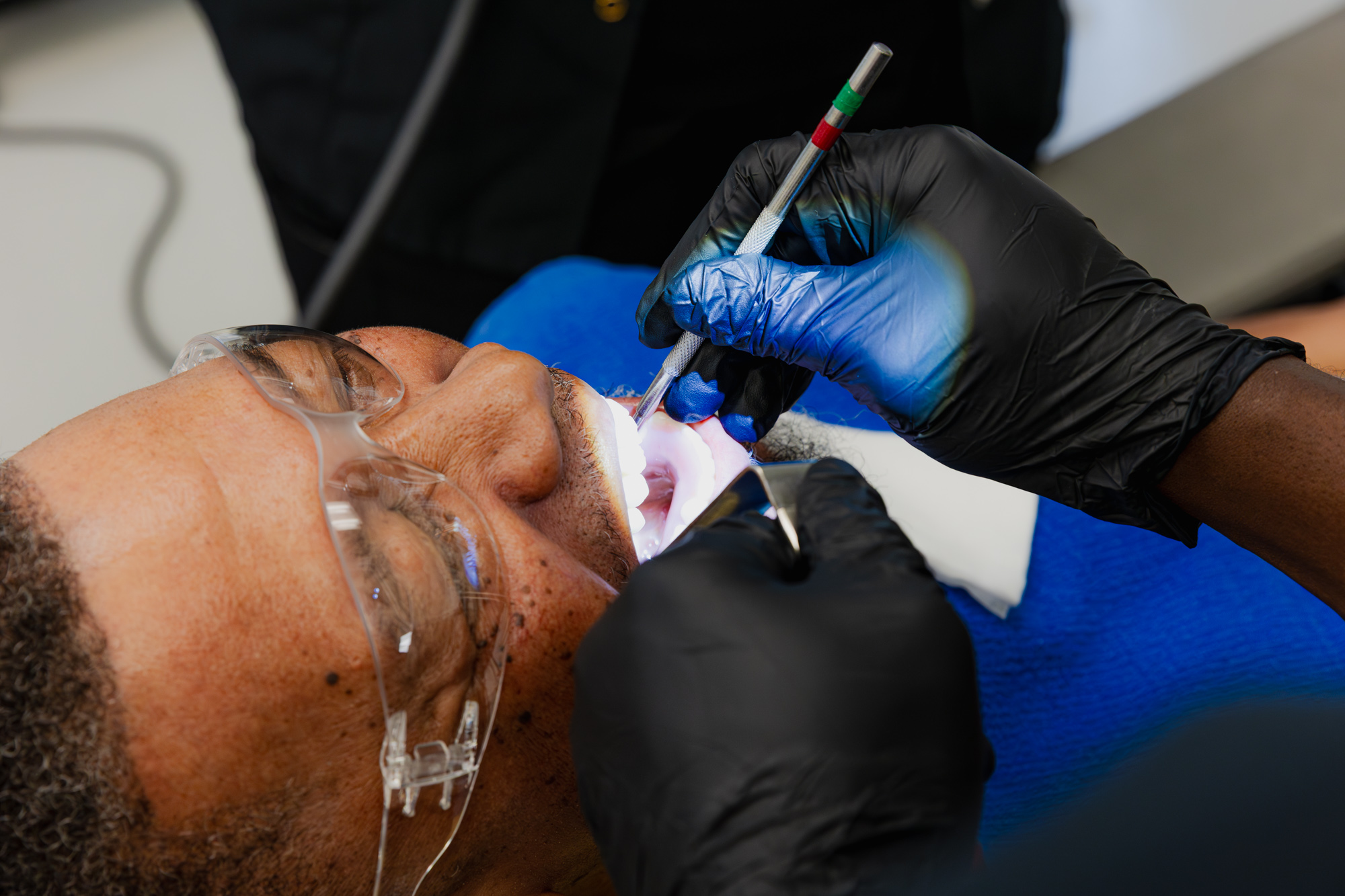
A simple extraction is typically done without making any incisions in the mouth or using any special techniques. A general or family dentist near Pikesville or oral surgeon performs it and requires that the crown of the tooth be visible for proper removal. Dentists use dental tools to gently hold the tooth by the crown and remove it from the socket.
However, when a tooth breaks or decays, there may not be enough of the crown visible above the gumline to grasp, or it may be too fragile to remove in one piece. In cases like these, a dentist may recommend an alternative extraction method.
Surgical Extractions
If you need a surgical extraction, your dentist will most likely refer you to an oral and maxillofacial surgeon. A surgical extraction can ensure that an experienced surgeon removes the damaged tooth with the highest level of expertise and care.
All types of extractions require you to be numb. On a case-by-case basis, you may be a candidate for sedation as well. Surgical extractions often require the removal of bone, sectioning of the tooth, and small incisions to remove the entire root and crown of the tooth.
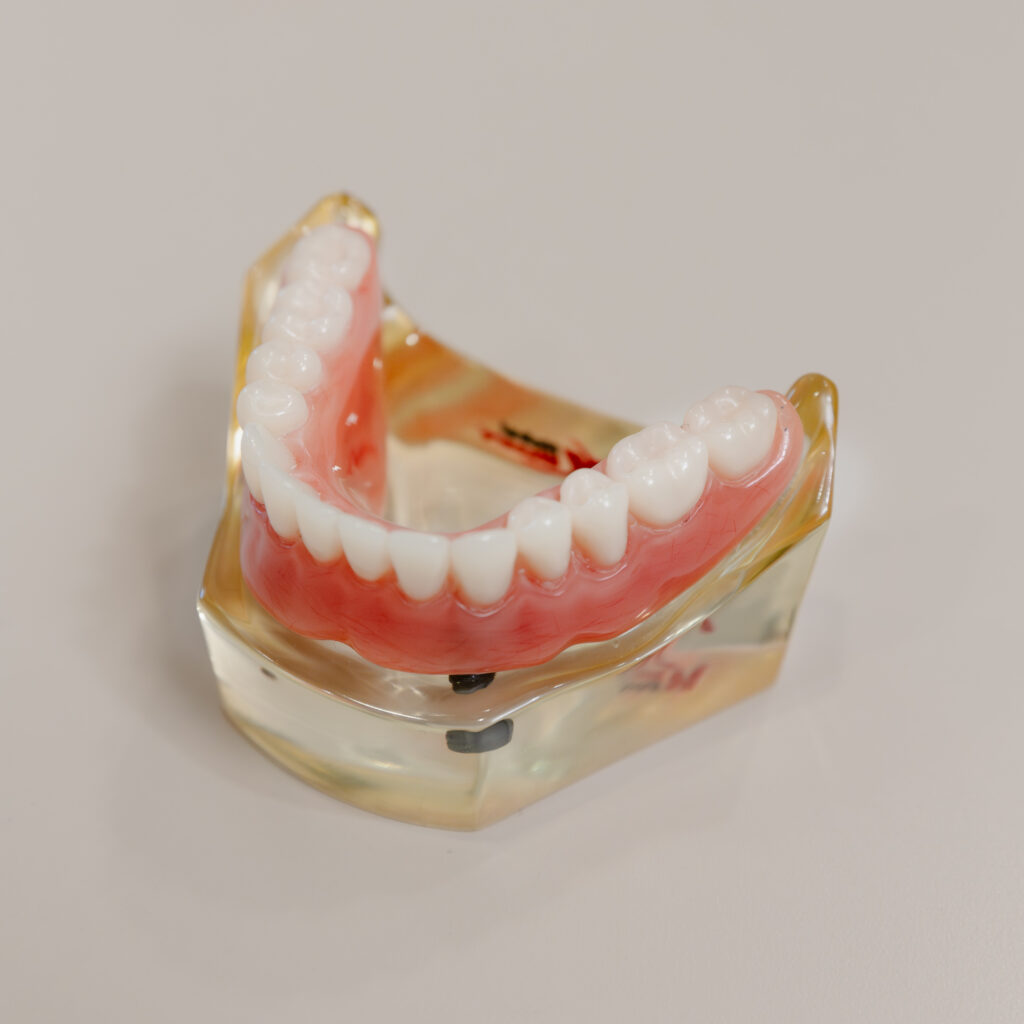
Typically, your oral surgeon will recommend dental implants after an extraction to replace any teeth that were removed.
The Dental Extraction Process: Step-by-Step
If your general dentist near Pikesville finds that your tooth or teeth have significant damage that cannot be fixed, they can refer you to our dental clinic for a surgical tooth extraction.
Knowing you need this tooth extraction is one thing, but understanding how it works is another. At the Krupp Center, we strive to ensure our patients never feel left in the dark about our procedures.
Here is what you can expect from your extraction process after your referral, from initial evaluation to your carefully performed procedure.
The Consultation
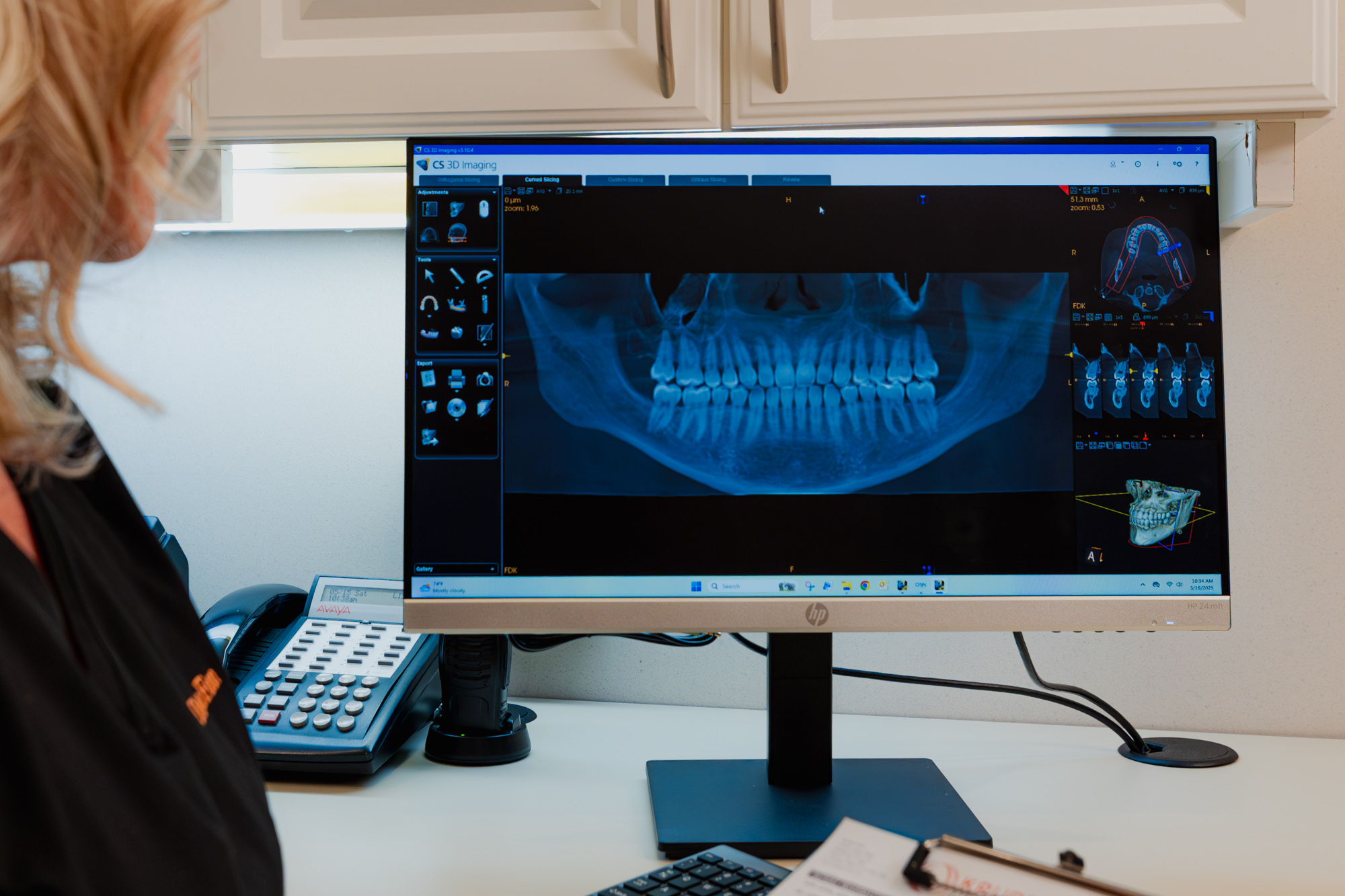
Although it’s not always required, our team may recommend a consultation after your dentist near Pikesville refers you to the Krupp Center. Occasionally, our surgeons need special considerations for the procedure based on the structure of the tooth remaining, the size and curvature of the roots, the tooth’s position, and the amount of bone around it. We will also need to review your medical history and any medications you are currently taking.
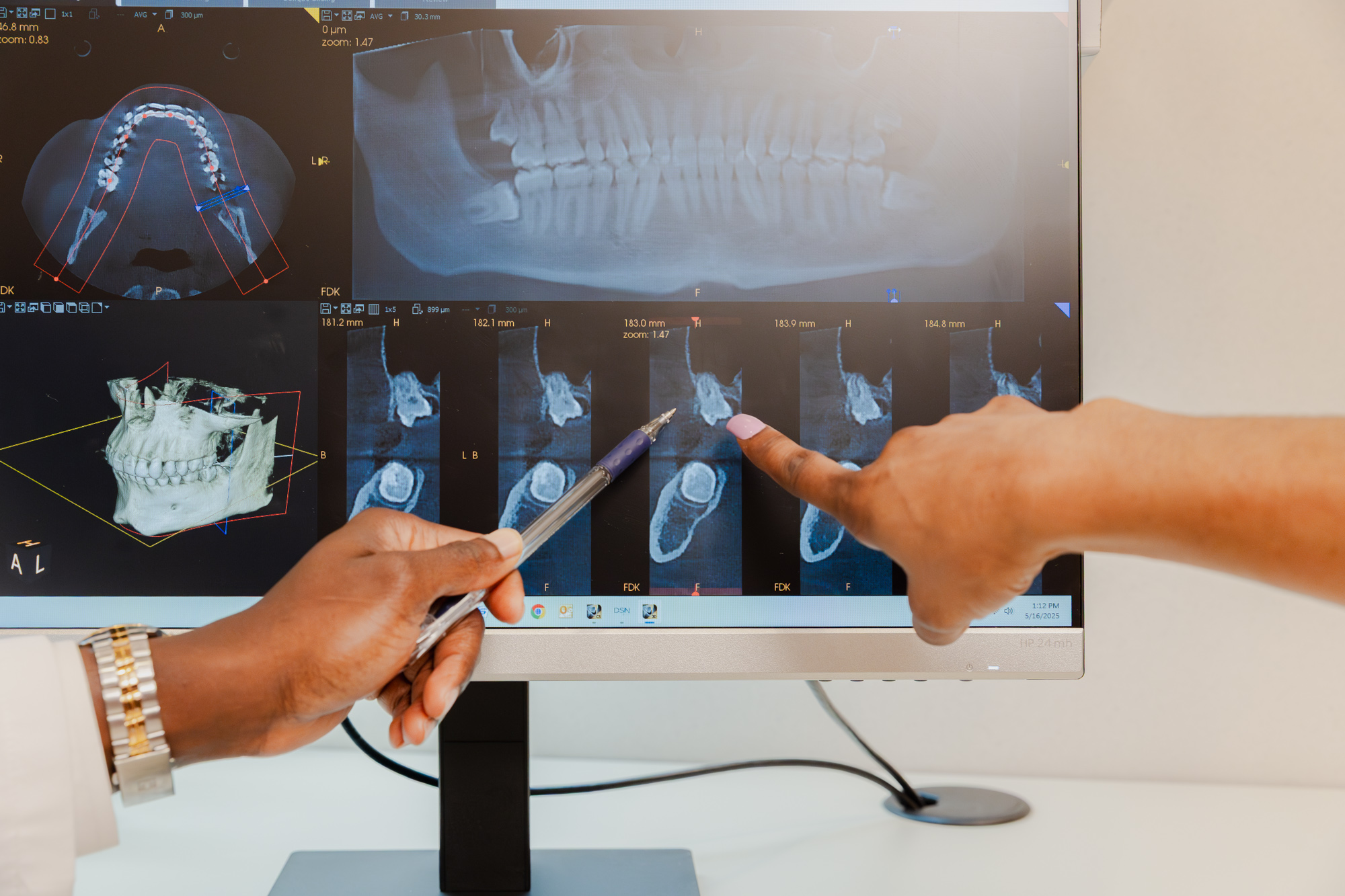
Based on these considerations, our team will need to take X-rays or imaging of your mouth before the extraction. Once this process is complete, you will be able to move forward with the procedure.
Before Your Extraction
Your oral surgeon will need a complete copy of your medical history, which includes a list of medications or supplements you are currently taking. You will also discuss any sedation or anesthesia that may be required during your extraction, as well as the procedure, risks, benefits, and alternate treatments, and possibly sedation options..
Plan ahead with your work schedule leading up to your treatment and ensure you have proper time off for the day of your procedure. If you are being sedated, someone will need to drive you to the appointment, stay in the office during the surgery, and drive you home.
We recommend you prepare some ice packs and soft, easy-to-eat foods for the days immediately after your extraction. Foods like protein shakes, yogurt, and soups are a good way to make sure you are eating right in the days after your procedure while also mitigating any unnecessary irritation to the healing site.
The Day of Your Extraction
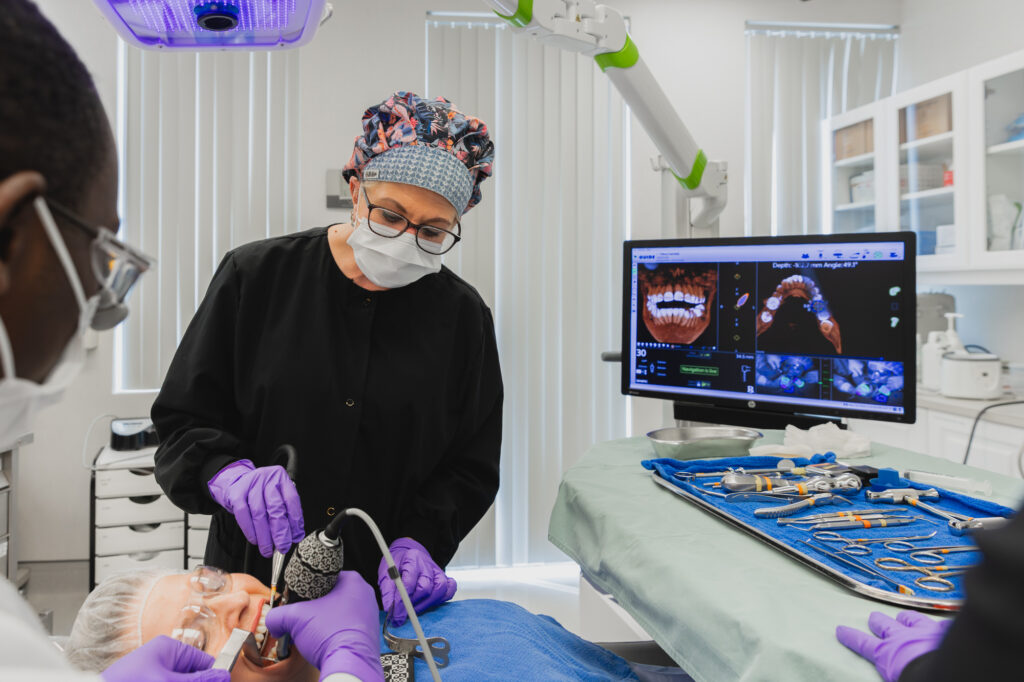
Once you arrive at the Krupp Center, you will check in with our friendly front-desk staff, and then a surgical assistant will escort you to your private treatment room. The Team will begin by addressing questions you may still have about the treatment so you can get a better idea of what to expect.
During the extraction process, your surgeon will work carefully to extract any damaged teeth completely. Once the teeth are properly removed, they will clean the area to protect against future infection.
Our surgeon will make sure a healthy clot is forming, and might give you a piece of gauze to bite on to, which will hold proper pressure on the extraction site. They will discuss how to manage any discomfort as the numbness begins to wear off, and provide you with any necessary information on medications that they might prescribe.
After Your Extraction
In the days following your extraction, it is important to follow your aftercare instructions. This works to ensure your mouth heals properly after surgery. You should plan to have 3 days of downtime after your extraction.
During this time, avoid hard foods and keep the extraction site clean. If you were prescribed antibiotics, take them as instructed. This helps to prevent infection.
After the initial 3 days of downtime, you will need to continue keeping a close eye on the treatment area. Continue to clean it regularly and be sure to avoid excess pressure while brushing or eating.
Your Next Steps: Replacing Extracted Teeth
Depending on which tooth you had removed and where, you may want to consider replacement options. Your surgeon can recommend several replacement options, each working to maintain the oral function of the missing teeth, as well as the aesthetics.
There are 2 replacement options we recommend, which include:
- Dental implants: A permanent solution for replacing a missing tooth, which includes an artificial tooth root and a natural-looking replacement tooth.
- All-on-4 implants: If you have had all of your teeth extracted from the upper or lower arch of your jaw, All-on-4 implants may be recommended. This implant uses a fixed, non-removable bridge of artificial teeth to restore your smile, often in just one day.
Our surgeon will tailor a treatment plan based on where your teeth were extracted or how many were removed. This ensures your smile is restored while also protecting your overall oral health.
Your Path to a Stronger, Healthier Smile Starts Here
Every smile has a story, and sometimes a dental extraction is just one important chapter on the path to better oral health. What may seem a little intimidating at first is usually the key to lasting comfort, improved function, and a brighter future for your smile.
At the Krupp Center, a specialized maxillofacial dentist near Pikesville, MD, we focus on making every extraction as smooth and worry-free as possible. Whether you are preparing for your first extraction or seeking guidance for a loved one, our team is ready to help you turn uncertainty into confidence
Take the next step towards a healthier, happier smile, and request an appointment to get started.